Language Translator

November 11, 2012

Heavy menstrual bleeding

heavy menstrual bleeding
Heavy menstrual bleeding (menorrhagia) is one od the most common gynecologic abnormality that can take a heavy toll on the women it affects. Many women with heavy menstrual bleeding problem do not discuss their condition with their clinicians because they mistakenly believe that it is something they actually have to live with or some women also complain about their fear of hormonal and surgical therapy.

Definition
The definition of heavy menstrual bleeding refers to blood loss > 80 mL during menstruation. NICE (National Institute for Health and Clinical Excellence) of the UK proposed that heavy menstrual bleeding can be defined as excessive menstrual blood loss that interferes with patient's physical, emotional, socialm and material quality of life, and which can occur alone or in combination with other symptoms.

Epidemiology
About 30% of women experience heavy menstrual bleeding at some point of their lives. This condition affects more than 10 million women in USA each year, which is about one in five women; however only about 5% of women of reproductive age seek treatment for it annually.

Risk factors
There is a little facts about demographic risk factor of heavy menstrual bleeding. A study has reported that heavy menstrual bleeding has correlation with age, and others show no correlation of heavy menstrual bleeding with ethnicity, genetics, or parity. Lifestyle factors such as alcoholism and smoking are still unknown.

What causes heavy menstrual bleeding?
Here are the causes of heavy menstrual bleeding, according to FIGO classification system:
  • Structural causes
    • Endometrial or cervical polyps
    • Adenomyosis
    • Leiomyoma
    • Malignancy and hyperplasia
  • Non structural causes
    • Coagulation disorders
    • Ovulatory dysfunction
    • Endometrial
    • Iatrogenic
Treatment of heavy menstrual bleeding
Treatment of heavy menstrual bleeding should be based on many factors such as:
  • Your medical history
  • Causes and severity of heavy menstrual bleeding
  • Tolerance for specific drugs or procedures
  • Your future childbearing plans
Medication/drug therapies for heavy menstrual bleeding may include:
  • Iron supplements, if heavy menstrual bleeding is accompanied by anemia
  • Analgetics or nonsteroidal anti-inflammatory drugs (NSAIDs), such as naproxen, ibuprofen, mefenamic acid, they help reduce menstrual blood loss and also relieve menstrual cramps (dysmenorrhea)
  • Oral contraceptives, it can help regulate and normalize the menstrual cycles and also reduce prolonged menstrual bleeding
  • Oral hormones (progesterone), it will correct hormonal imbalance and reduce menstrual bleeding
  • Hormonal IUD (Mirena). It is an intrauterine device that contains progestin (levonorgestrel) which makes the uterine lining thin and reduce menstrual blood flow, relieve cramps.

»»  Read more...

September 22, 2012

How to improve liver function

Liver is the largest organ in our body. It synthesizes many important substances to regulate body metabolism. As a fat burner and detoxifier, liver works can regenerate itself, unlike other organs. So we can do some efforts to cleanse and strengthen our liver, so it will improve our health. There are many nutrients that are good to support liver function. Actually if we are focused on liver health, here are some tips about how to improve liver function.
how to improve liver function

  • Drink plenty of water, especially purified water. Water plays an important role in liver detoxification and help cleansing the liver. 
  • Cut down all the fatty foods and deep-fried melas. Avoiding high cholesterol foods is proven to reduce the risk of gallbladder disorders.
  • Moderate consumption of alcohol (or less) is also important for liver function, since the liver postpones other import functions when it is working to metabolize excess alcohol.
  • Eat regularly dietary supplements to help repair the liver, including but not limited to calcium, turmeric, silymarin, vitamin C, zinc, and omega-3 fatty acids.
  • Avoid leftovers that are past their safety date. Please pay attention to how long certain foods will still be safe to consume after being stored in the refrigerator.
  • Avoid processed foods such as chicken nugggets, sausages, hotdogs, etc.
  • Avoid artificial sweeteners and reduce your sugar intake. Enjoy natural sweeteners such as molasses, honey, and agave nectar.
  • Minimal the consumption of salted foods.
  • Increase your high fiber diet, such as fresh fruits and vegetables, cereals, brown rice, and whole grain breads.
  • Keep your ideal body weight. Obesity and gallbladder stones are highly correlated.
  • Limit caffeine intake as much as you can.
  • Stay away from pollutants.
  • Have enough sleep and avoid sleep lately everyday. Our liver works in detoxicating especially in the midnight.
  • Reduce your stress.
  • Undertake an internal detox program twice a year. You can buy colon cleansing kits in your local food store and also online shops. Famous brands such as Perfect Cleanse, CleanseSmart, and also Colonix. Follow the instructions precisely.

»»  Read more...

August 31, 2012

Blood Clot Treatments

blood clot treatments
Blood clotting is one of the most important mechanism of the body to help repairing injured blood vessels. When an injury happens, such as damaged blood vessels, platelets are transported to the injured area to form an initial plug. This process will activate a clotting cascade, using a series of clotting factors produced by the body. In the end, fibrin is formed. Fibrin is a protein that crosslinks with itself to make a mesh that completes the final blood clot.

The medical terminology for a blood clot is thrombus. Once it is formed, as a normal recovery process of the body, there will be little consequence. Unfortunately, there are times when thrombi (plural form of thrombus) will form but it is not needed, and it can make significant problems for the body itself.

In the US, approximately there are 2 million people develop blood clot symptoms every year. Most people are over age 40. Blood clots in the lung can cause death at least 650,000 people/year, making it the third most common cause of death. 

Blood clot, risk factors
The risk factor of blood clots are common with the risk factors to all diseases that cause narrowing of blood vessels, rupture of plaque, and also cholesterol plaque formation, such as:
  • Hypertension
  • High cholesterol levels
  • Diabetes mellitus
  • Family history of blood clot
  • Cigarette smoking
Other conditions are also risk factors for blood clot formation:
  • Recent surgery
  • Prolonged immobility, bed rest or sitting (during flight, a long car ride)
  • Heart attack
  • Heart failure
  • Fractures in the hip, thigh, or lower leg
  • Live in high altitude
  • Recent childbirth
  • Obesity
  • Contraceptive users
  • Old age
Blood clot symptoms
There are 2 locations of blood clot formation:
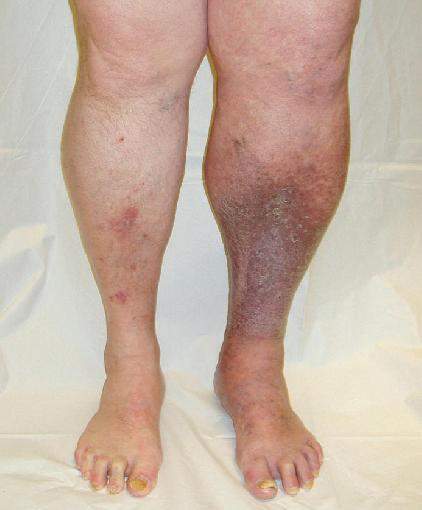
  1. Venous clots. The clots prevent blood not to return to the heart. Most often happening in the arms or legs. Symptoms are:
    • Warmth
    • Swelling
    • Redness
    • Pain
  2. Arterial clots. The clots prevent blood not to get to the affected area. Injured body tissue becomes lack of oxygen and begin to die.
blood clot treatments
Blood clot treatments
The treatments depend on the location of clots, and it can be symptomatic or agressive treatment.
  1. Venous blood clots
    • Warm compresses 
    • Drugs: ibuprofen, acetaminophen
    • Deep vein thrombosis (DVT) needs special treatment called anticoagulation, such as: enoxaparin, warfarin. Patients need hospitalization.
    • Blood clots below the knee have lower risks for emolization to the lung. It may need serial ultrasonography examinations to monitor the clot's growth.
    • If pulmonary emboli occurs, the treatment is similiar to DVT and also need hospitalization to monitor patients' condition.
  2. Arterial blood clots
    • It should be more seriously treated.
    • Surgery is needed to remove the clot
    • Medications: tenecteplase, alteplase (TPA), especially for peripheral arterial disease to restore blood supply.
    • If blood clots occur in the heart, cardiac catheterization is need to relocate blocked artery and a ballon is used to open the occluded area, restore blood circulation, and then a stent (ring) is placed to keep it open. If there is no contraindication, blood clots in brain (stroke) need TPA to restore brain blood flow and prevent more damage.

»»  Read more...

August 27, 2012

Thalassemia How To Test

Thalassemia is an inherited blood disorder in which the body makes an abnormal form of hemoglobin. Hemoglobin is a protein in red blood cells that carries oxygen. This disorders result in increased destruction of red blood cells, which leads to anemia.

thalassemia how to test
Thalassemia Causes
Hemoglobin consists of two proteins: alpha globin and beta globin. Thalassemia occurs when there is a defect in a gene that control production of those globins.
Genetically, thalassemia is classified into two main types:
  1. Alpha thalassemia: when a gene or genes related to the alpha globin protein are missing or mutated.
  2. Beta thalassemia: when similar gene defects influence the production of beta globin protein.
Clinically, thalassemia is classified into:
  1. Major thalassemia: A person with major thalassemia must inherit the defective gene from both parents.
  2. Minor thalassemia: occurs if a person receive the defective gene from only one of his parents, so he becomes a thalassemia carrier. Person with minor thalassemia has minimal symptoms or mostly symptomless.
Risk factor of thalassemia
  1. Certain ethnicity: Chinese, Asian, Mediteranian, and Afro-American.
  2. Family history of thalassemia.
Thalassemia symptoms
  • Alpha thalassemia is the most severe kind of thalassemia. It can cause stillbirth (death of unborn baby, usually during late stages of pregnancy or while delivering)
  • Children born with major thalassemia may be normal at birth, but they will develop anemia in their first year of life.
  • Symptoms of thalassemia-related anemia:
    • Fatigue
    • Growth failure, failure to thrieve
    • Bone deformities in the face
    • Jaundice 
  • People with minor form of beta and alpha thalassemia have no symptoms, but microscopically, it can be identified.
thalassemia how to test
Thalassemia how to test
  • Peripheral blood test (complete blood count) and peripheral blood film
    • Low level of hemoglobin
    • Low level of red blood cells
    • Pale red blood cells
    • Various size and shape of red blood cells.
  • Serum iron test
  • Hemoglobin electrophoresis: to detect abnormal form of hemoglobin molecule.
  • DNA analysis : it is a definitive way to diagnose thalassemia and also thalassemia carrier.
  • Prenatal testing. It can be done before the baby is born. The goals are to rule out thalassemia and to determine how severe the thalassemia is. There are 2 kinds of tests in fetuses:
    • Amniocentesis: it can be done in week 16 of pregnancy by taking sample of fluid that surrounds the fetus.
    • Chorionic villous sampling: it is usually done in week 11. The sample is a tiny piece of placenta.
  • Premarital testing. 
    • If both of bride and groom have minor thalassemia (carriers), they should consult to a doctor before planning a pregnancy. Remember that thalassemia is a preventable disease!
    • Assisted reproductive technology. It helps couples with thalassemia carrier to have a normal baby. This procedure involves retrieving mature eggs from a woman and then fertilizing them with a selected man's sperm in a laboratory. After that, the embryos are tested if there is any gene defect. Only those without defective genes are implanted in the woman.

»»  Read more...

July 31, 2012

Flesh Eating Bacteria Symptoms

flesh eating bacteria symptoms
Flesh eating bacteria, or "necrotizing fasciitis" is a rare infection but can be fatal if not treated properly. It is a kind of bacterial infection that spreads quickly, and cause tissue death at the infection site and beyond.

People can get this disease after being infected by the group A Streptococcus (GAS) bacteria. It is the same bacteria that causes strep throat. The bacteria can enter the body through insect bites, minor surgery, minor cuts, and abrasions. Once the body infected, the infection agressively destroys muscle, skin, and fat tissue.

Here are flesh eating bacteria symptoms.

  • Local skin warmth. The infected skin appears red and hot when touched. The warm areas enlarge as the infection spreads. The skin color can change from red to dusky gray, and it is a sign of skin death. 
  • Pain. Severe pain may be an early symptom of flesh eating bacteria. The pain can worsen prior to the development of an open sore. This pain is caused by nerve damage around the site of injury or wound.
  • Tissue swelling. There is a swelling in the infected area that can progressively advances as the infection continues. The overlying area is shiny and taut. 
  • Skin blisters. Skin blisters may develop on the infected skin. The characteristic of skin blister caused by flesh eating bacteria is crackling and popping sensation when the skin is pressed. It is called "crepitus".
  • Skin ulcer. The ulcer grows as the infection spreads. It contains white fluid with bad odor.
  • Foul odor. It caused by dead skin.
  • High fever.
  • Malaise. People infected by flesh eating bacteria often show the symptoms of generalized weakness.
  • Fainting. It may be caused by low blood pressure as the disease progresses.
Flesh eating bacteria treatment
  • Hospitalized is needed.
  • Intravenous antibiotic therapy.
  • Wound debridement (such as minor surgery to remove dead skin and damaged tissue to help stopping the spread of infection)
  • Symptomatic medications: antipiretics, analgetics.
Please consult your physician to get complete examination and information about this disease.

»»  Read more...

July 28, 2012

The effects of coffee on the kidneys

the effects of coffee on the kidneys
Coffee may be the most popular drink in the world. It contains a substance called caffeine. Caffeine can be naturally found not only in coffee but tea and chocolate. Medical practitioners usually add caffeine into pain relievers, migraine healers, etc. Caffeine is generally harmless but in some people, it has negative effects such as headaches, stomach upset, and jitters. For people with pre-existing kidney problems, coffee can also affect kidney function.

Here are the effects of coffee (or caffeine) on kidney function:

  • Urinate more often. It is caused by diuretics effect of caffeine. 
  • Dehydration. Since coffee has diuretic effects, you have to make sure that your fluid intake is enough to prevent dehydration. Dehydration is harmful for the kidney because it can cause acute injury and promote infection on the kidney and also urinary system.
  • Urinary incontinence. Coffee can increase the risk of urinary incontinence, especially if you drink more than 400 mg of caffeine a day.
  • Kidney stones. Caffeine can increase urinary calcium levels. In a research, it was concluded that there was a moderate increase in the risk of developing kidney stones (especially calcium oxalate stones, the most common type of stones) after a significant caffeine consumption.
  • Kidney disease. In a study, it is concluded that people with polycystic kidney disease were more likely to develop larger cysts if they consume caffeine because caffeine can damage kidney function.

»»  Read more...

July 21, 2012

High Cholesterol Symptoms

high cholesterol symptoms
Our body needs cholesterol but actually the need of cholesterol is already filled without additional food intake, because 80% cholesterol is synthesized in the liver and only 20% must be supplied from food. Unfortunately many people have hypercholesterolemia because of their lifestyle. Normally, reference range of cholesterol level is 160-200 mg/dL, and level more than 240 mg/dL is dangerous because it is a major risk factor for stroke and cardiovascular disease.

There are some high cholesterol symptoms:
  • Pain or stiffness in the back of the head neck
  • This stiffness is also up to shoulder
  • Leg swelling
  • Easy to accomplish
  • Easy sleepy

There are 7 major causes of high cholesterol symptoms :

  1. Daily food
  2. Body weight, especially obesity
  3. Sedentary living
  4. Certain age
  5. Congenital disorder of cholesterol metabolism
  6. Family history of hypercholesterol
  7. Smoking

»»  Read more...

July 7, 2012

How to lower triglyceride level

how to lower triglyceride level
Triglyceride is a blood lipid substance that is stored in the fat cells. Increased triglyceride level is a risk factor for many metabolic disease. That's why, it is important for us to lower and to control our triglyceride level.

Excess calories will be stored in fat cells in the form of triglycerides. The function is to provide energy for body cells, to protect vital organs, and to help absorbing vitamins and minerals. Normal range of triglyceride level is less than 150 mg/dl.

These are some metabolic disease that is influenced by increased triglyceride levels:

  1. Atherosclerosis. It is the basic mechanism of heart attack and stroke.
  2. Diabetes. Increased triglyceride levels will stimulate the release of certain inflammatory cells called "cytokine" in the bloodstream. It will influence the body ability to control blood glucose levels.
  3. Metabolic syndrome, that is formed of cardiovascular disease, diabetes, obesity, and hypertension.
  4. Fatty liver disease. Increased triglyceride level cause excessive fat cells to be stored in the liver so it can promote fatty liver disease.
  5. Xanthoma. Increased triglyceride levels stimulate itch and acne is hands, foot, and buttocks.
How to lower triglyceride level?

  1. Choose the good fat, avoid red meat, butter, and trans fat that are contained in the fast food, such as french fries.
  2. Choose the good carbo, such as wheat, oatmeals, brown rice, and avoid refined fluor such as pasta, bread, and noodles.
  3. Choose the good protein, high omega-3 fat, that are important in controlling excessive triglyceride synthesis, such as salmon, tuna, sarden, and for vegetarians, you can try walnut and almond.
  4. Eat more vegetables and fruits, because they contain fibers that help controlling body weight and lower triglyceride level.
  5. Control your body weight. The more kilograms means the more triglyceride level.
  6. Physical exercise, to help lowering fat levels.
  7. No alcohol. Red wine may be good for health and prevent cardiovascular attack but we have to know exactly about the limit.
»»  Read more...

June 23, 2012

How to prevent migraine headaches

how to prevent migraine headaches
Migraine is a common disorder for many people, approximately affects more than 10 percents of the world population. To prevent migraine headaches, there are some healthy habit you can do. 

One thing you should remember is that the cure of migraine headaches is not permanently working. After few days, sometimes there will be another migraine attacks. It is believed that a healthy diet can prevent migraine headaches naturally. But bad lifestyle and habit can trigger it. 

Here are some ways of how to prevent migraine headaches:
  1. On time eating. Skipping meals for any reason can affect our health. A strict diet is also a contributing factor for migraine attacks. If you think that strict diet will reduce your body fat, this will end up as a suddenly increased blood glucose and trigger migraine attack.
  2. Regular exercise. A healthy body will make a healthy mind. To stay fit and active, do exercise regularly. This will help prevent migraine headaches.
  3. Enough sleep. Too many sleep or lack of sleep will interfere your body rhythm. Ideally, an adult needs 6-7 hours of sleep and not more than 9 hours a day. Maintain your sleep schedule for a better result.
  4. Stop smoking. Smoking and alcohol drinking can increase the risk of migraine attack. If you think that you can cope a migraine by smoking, please rethink. Nicotine doesn't only cause an inflammation in throat and lungs, but also can make you psychically addicted. Alcohol contains tyramine that can trigger migraine. If you excessively consume it, alcohol can cause migraine attacks.


»»  Read more...

June 12, 2012

Why does baby cry when defecating

why does baby cry when defecating
Don't be too worry when your baby is screaming and has a changed facial expression while defecating. It may not be a serious medical problem for your baby. Defecating is a new experience for babies, and it is a normal thing. There are some reasons why does baby cry when defecating.

  1. Body function is not perfect yet. Defecating while lying is difficult because it needs more pressure, so sometimes your baby will scream and cry. Babies can't sit and have to make an extra effort to coordinate abdominal muscles so the feces can be pushed. 
  2. Constipation. If your baby cries while excreting, it may be caused by constipation. Dry feces, and or after few days of no defecation are signs of constipation. To relieve constipation, increase the fluid intake. Add more sugars to his formula milk to soften the feces. If your baby is more than 4 months, you can add fresh juice to his meal. If your baby is already able to take solid meals, add high fiber vegetables such as spinach, peas, pear, and plum. If you have tried all the things and constipation still continues, consult your pediatrician. 
  3. Gassiness. Another reason why does baby cry when defecating is a gas pain. Gassiness is caused by inability to digest any nutrition from breast milk, lactation, or hyper syndrome (when mother has excessive milk production). Formula milk, constipation, and gastrointestinal infection can cause gassiness in your baby. Gassiness after drinking milk will be relieved by burping, gently massage your baby's stomach to release trapped air in his stomach. Give your baby some drops of fennel essence to reduce gassiness.

»»  Read more...