Language Translator

April 17, 2014

How to have twin babies

how to have twin babies
Many couples want to conceive hope to have twin babies. They have many reasons such as ensuring that their children have a close sibling through childhood, or just wanting a large family. Multiple births occur in about 3 percent of all pregnancies in the US annually. Experts say that there are some steps women can do to increase their chance of having twins. There are some factors that play role in possibility of having twins: diet, ethnicity, genetics, and lifestyle. Here are some guidelines about how to have twin babies.

  • Take fertility drugs. They stimulate the ovaries to support more than one ovarian follicle each months towards maturity. The result is that more than one egg is released.
  • If you come from a family where no identical twins are common, then your family history and genetic endowment means that you've got a greater possibility of having them yourself. But identical twins can happen in any family.
  • Women who have previously had a baby have a higher chance of conceiving multiple pregnancies.
  • Ethnicity: be of American/African heritage. Women from these ethnic background have a distinctly higher rate of twin pregnancies.
  • The more times you conceive, the greater the chances of conceiving more than one baby.
  • Try to conceive straight after you have stopped taking the pill because the body is going through a hormonal readjustment phase.
  • For you who already have a set of twins, your chance of having twins again is higher.
  • Good news for taller women! They tend to conceive more twins!
  • Taking a folic acid supplement one month before conceiving.
  • Talk to your doctor. Assisted reproduction technology will help you get twin babies.
Source: Huggies, Wikipedia

»»  Read more...

March 9, 2014

Chronic headache causes

chronic headache causes
Everyone has headaches from time to time, but if you experience a headache more days than not, you may have a variety of head pain, known as chronic headaches or chronic daily headaches. By definition, it's called chronic daily headaches when occuring 15 days or more a month, for at least 3 months. It can be divided into primary and secondary chronic headaches. To be considered primary (true) chronic headaches, they must also not be the result of other underlying condition.

Chronic headache causes
Until now, the exact causes of many cases with chronic headaches are not well understood. Primary chronic headache doesn't have an identifiable underlying cause. There is a part of brain that suppresses pain signals but doesn't work properly.
Secondary chronic headache can be caused by:
  • Inflammation or infection on the brain tissue or blood vessels around them, including stroke, meningitis
  • High intracranial pressure
  • Brain tumor
  • Traumatic brain injury
Chronic headache risk factors
  • Depression 
  • Sleep disorders
  • Anxiety
  • Obesity
  • Snoring
  • Overuse of caffeine
  • Abuse of pain killers
  • Regular use of physical postures that put a strain on neck or head
There are 4 types of chronic headache  and symptoms:

  1. Chronic migraine: affect only one side of head, cause a pulsating sensation, cause moderate until severe pain, induced by routine physical activity. The symptoms are: nausea, vomiting, sensitivity to sound and light.
  2. Chronic tension-type headache: it happens on both sides of head, cause mild until moderate pain, the pain is not pulsating but pressing or tightening, the pain is not aggravated by routine physical activity. In chronic tension-type headache, it doesn't cause sensitivity to sound or light and if there is nausea, it's mild only.
  3. Hemicrania continua: this type of headache cause pain only at 1 side that doesn't shift sides. Other characteristics are: daily and continuous with no pain-free periods, cause moderate to severe pain, responsive with pain reliever such as Indocin, sometimes the pain becomes severe with development of migraine-like symptoms. The symptoms are: tearing or redness of the eye on the affected side, runny nose, dropping of the eyelid or pupil constriction.
  4. New daily persistant headache: this type of headache becomes constant within a few days of the moment from the first headache. These characteristics are: hurt on both sides of head, cause mild until moderate pain, no pulsating pain but feels like pressing, and not induced by routine physical activity.
Chronic headache treatment
There are some preventive therapies that your doctor may recommend, such as:
  • Antidepressants. It can be indicated for chronic headache. It also treat the depression, anxiety and sleep disturbances
  • Beta blockers. It can treat episodic migraines.
  • Anti seizure drugs. It can prevent chronic headache as well as prevent migraines.
  • Nonsteroidal anti inflammatory drugs. It may be helpful especially if you're going through withdrawal from other pain killers. It can also be used periodically when the headache becomes more severe.

Source: Mayo Clinic
»»  Read more...

January 6, 2014

Anti phospholipid antibodies and infertility

Infertility is the inability to conceive and have offspring. More specific, infertility is also defined as the failure to conceive after a year of regular intercourse without contraception. Evidence is emerging that inability to conceive or recurrent miscarriage in a healthy patient can provide an early clue of an adverse health condition.

anti phospholipid antibodies and infertility
Investigation to disclose the causes of reproductive failure can therefore assist with an earlier management strategies, so it can provide a long term benefit for women and restore their natural fertility. There are many causes of infertility, one of them is thrombophilia. How thrombophilia causes infertility remains unknown and poorly understood. After excluding other physical or anatomical causes such as fibroids, uterine scar tissue, congenital abnormalities, and polyps, assessment of medical history of the patient is an important next step.

Thrombophilias are disorders of blood coagulation that increase the likelihood of inappropriate clotting. It can be a concern during pregnancy because in pregnancy, blood tends to clot easily. Thrombophilia can be both congenital or acquired. The most common form of acquired thrombophilia is antiphospholipid syndrome (APS). In APS, there are antibodies against phospholipids in association with either vascular thrombosis or recurrent misscariage.

Laboratory test
For women with medical history of recurrent miscarriages, they are recommended to be screened for antiphospholipid antibodies. The most significant antibodies (immunoglobulin) involved in APS are lupus anticoagulant, anticardiolipin (ACA), and anti beta 2 glycoprotein 1 & 2.

Treatment
There are two options. First is oral antiplatelet (aspirin) and the second is UFH (unfractionated heparin). Combination of both therapies may reduce pregnancy loss in APS-positive cases by as much a 54% compared to aspirin alone.

Thrombophilia and contraception
Estrogen-containing medications can increase the risk of venous thromboembolism including deep vein thrombosis (DVT). So don't hesitate to contact your doctor to choose the best contraception for you.

How to avoid blood clot?
Control your weight, do not be overweight. Keep a healthy diet, avoid saturated fats. Keep your cholesterol level low. Stop smoking. Lower your blood pressure. Controll your glucose level (if you are diabetician). No more than 14 units of alcohol per week.
»»  Read more...

September 18, 2013

How to conceive quickly

how to conceive quickly
Many people see to be very easy to get pregnant, as easy as dreaming it. But for other couples, it feels so long, because what we are waiting for is uncertainty. As we know, ages plays a big role. A research said that approximately one third of women ages 35-39 and half of women more than 40 have trouble getting pregnant (infertility = inability to conceive for 12 months). For men, age starts to be a fertility factor in the late 30s. One study found that in men ages 35-40, the percentage who don't conceive is about 18-28%.
There are many factors: controllable and uncontrollable. What parts of fertility we can control? What do many studies say about how your environment and lifestyle habbits play a role in the complex process of baby making?
DIET
One of the biggest research to examine the role of diet in fertility was done by the researchers of Harvard University in 2007. After observing 18,000 women and their dietary, the researchers found a pattern of eating that seemed to boost baby-making potential. Women with few risk of infertility ate fewer sugars and trans fat, more fiber and iron, more proteins from veggies instead of animals, and more high-fat dairy products than low-fat ones. These patterns are independent of age.
SMOKING
Smoking lowers a woman's chance of getting pregnant both naturally and when using fertility treatments like invitro fertilization (IVF). How about passive smokers? Studies said that women who were exposed to second-hand smoke as children have been shown to have a harder time getting and staying pregnant (with 68% higher chance of miscarriage or difficulty to conceive). So for you who are smoking, quitting smoking before trying isn’t just a good idea for your own healthy pregnancy, it helps ensure that, down the line, your baby will have a healthy pregnancy too. And for men, do not smoke since smoking has been shown to lower healthy sperm counts.
BODY WEIGHT
Body weight influences the reproductive cycle. An excess or deficit of fat cells seems to upset the delicate cascade of chemical events that are needed to make a baby. Being obese can exacerbate polycystic ovary syndrome (PCOS). But even for women who ovulate, weight has been shown to play into fertility. There’s a strong association between having a BMI over 30 or under 20 and delayed conception. One research found that for every BMI interval over 29, chances of pregnancy went down by five percent. Roughly one in four U.S. women of childbearing age is obese.
ENVIRONMENTAL CHEMICALS
A handful of chemicals are suspect when it comes to getting pregnant – for example, phthalates (used in plastics, food packaging, toys, and more), pesticides, bisphenol A (BPA), air pollutants, as well as polychlorinated biphenyls (PCBs). Last year, for example, a study of Chinese factory workers found that those with higher levels of BPA exposure had lower semen quality. PCBs, which were banned decades ago but still linger in the environment, seem to clearly affect sperm motility and damage sperm DNA.
It’s not a bad idea to find ways to limit exposure to the dubious chemicals (buy organic “dirty dozen” fruits and veggies, use BPA-free products when possible, consider not living near a highway, eat less processed and packaged food, check your cosmetics with the Environmental Working Group’s database, and so forth).
But there are a few reasons not to head for full-blown panic over chemicals in the environment. For one, it’s very hard for scientists to accurately pinpoint how and in what quantity one particular chemical affects something like sperm health because controlled studies are near impossible. Consider also that we bump into hundreds of environmental chemicals every day through no choice of our own – to a large extent it’s all out of our control.
LAST BUT NOT LEAST: KNOW YOURS, BUT NO OVERTHINK
It’s tempting with information like this to go overboard, especially when something as precious as your fertility is seemingly at stake. That said, just as with age and fertility statistics, lifestyle and fertility stats are just that – averages and trends across large samples of women. Plenty of moms get pregnant without a hitch on a steady diet of hamburgers, just as plenty who have impeccable diet and exercise habits struggle with infertility. Your best plan for getting pregnant? Stay informed, but don’t make yourself crazy with the details.

Source: BabyHopes
»»  Read more...

May 13, 2013

Seizure Medications

seizure-medications
The term "seizure" is often used interchangeably with "convulsion." Convulsions are when a person's body shakes rapidly and uncontrollably. During convulsions, the person's muscles contract and relax repeatedly. There are many different types of seizures. Some have mild symptoms and no body shaking. By definition, a convulsion or seizure is the physical findings or changes in behavior that occur after an episode of abnormal electrical activity in the brain.

Causes of Seizure
  • Abnormal levels of sodium or glucose in the blood
  • Brain infection, including meningitis
  • Brain injury that occurs to the baby during labor or childbirth
  • Brain problems that occur before birth (congenital brain defects)
  • Brain tumor
  • Head injury
  • Fever (febrile convulsion)
  • Choking
  • Electric shock
  • Drug abuse
  • Epilepsy
  • Heart disease
  • Heat illness
  • High fever
  • Illicit drugs, such as angel dust (PCP), cocaine, amphetamines
  • Kidney or liver failure
  • Hypoglycemia
  • Phenylketonuria (PKU), which can cause seizures in infants
  • Poisoning
  • Stroke
  • Pregnancy
  • Uremia on kidney failure
  • Severe hypertension
  • Venomous bites and stings (snake bite) 
  • Withdrawal from alcohol after drinking a lot on most days
  • Withdrawal from certain drugs, including some painkillers and sleeping pills
  • Withdrawal from benzodiazepines (such as Valium)
Seizure Medications

Medications for epilepsy are mainstays in controlling epileptic seizures. But surgical procedures are another dimension in treatment. Learn about your options.
Most people with epilepsy can become seizure-free by using a single anti-epileptic drug. Others can decrease the frequency and intensity of their seizures. More than half the children with medication-controlled epilepsy can eventually stop medications and live a seizure-free life. Many adults also can discontinue medication after two or more years without seizures.
Finding the right medication and dosage can be complex. Your doctor likely will first prescribe a single drug at a relatively low dosage and may increase the dosage gradually until your seizures are well controlled.
The type of treatment prescribed will depend on several factors, including the frequency and severity of the seizures and the person's age, overall health, and medical history.

This is one of the oldest treatments for epilepsy, and helps lessen seizures.
Biofeedback, melatonin, and large vitamin doses can help. Read on.
Learn the risks and benefits of this epilepsy surgery.
There is no cure for epilepsy, but medications may help keep symptoms under control.
Treatments for epilepsy have come a long way in the last decade. Doctors have more than twice as many epilepsy medications to choose from than they did 10 years ago.
There are a wide number of medications available for treating epilepsy in children, and advances in the past years have made a difference.
Sometimes, brain seizures begin in a vital area of the brain -- for example, in areas that control movement, feeling, language, or memory.
A temporal lobe resection is a surgery performed on the brain to control seizures. In this procedure, brain tissue in the temporal lobe is resected, or cut away, to remove the seizure focus.
Lesionectomy may be an option for people whose epilepsy is linked to a defined lesion and whose seizures are not controlled by medication.
This procedure generally is used only for people with epilepsy who do not experience improvement in their condition after taking many different medications and who have severe, uncontrollable seizures.
A corpus callosotomy, sometimes called split-brain surgery, may be performed in people with the most extreme and uncontrollable forms of epilepsy, when frequent seizures affect both sides of the brain.
An extratemporal cortical resection is an operation to resect, or cut away, brain tissue that contains a seizure focus.
With the use of medication, people with essential tremor may see improvement in their ability to control their tremor and improvement in activities such as drinking from a cup or using food utensils.
»»  Read more...

May 11, 2013

Obesity increases the risk of migraine

obesity increases the risk of migraine
Migraine is more likely in women than in men and occurs most commonly in those of younger adult age.  In addition, more women are obese than men. Obesity people ages 20 to 55, either by a measure of belly fat or using the standard BMI (body mass index) are more likely to have migraines and other severe headaches.

Migraines are severe headache that also may include nausea, vomiting and light sensitivity. They are likely to happen in women and often hereditary. According to National Headache Foundation, migraines affect about 30 million people in USA, approximately 10% of the population. Migraines occur most frequent on ages 20 to 45. The study concluded that after age 55, the increased risk of migraines for obese people was no longer present.

Relationship between Migraine and Obesity
The researchers look hard to clarift the link between migraines and obesity after previous studies had produced conflicting conclusions. Obesity can also increases the risk of metabolic diseases such as diabetes, hypertension, heart disease, stroke, sleep apnea, arthritis, cancer, etc.

How episodic and chronic daily headache links to obesity is not known. It is likely that pathways which overlap and regulate feeding and migraine play a role.  One region of the brain involved in this pathway is the hypothalamus. The hypothalamus participates in the regulation of feeding and becomes activated during acute migraine attacks. Serotonin and orexin are hypothalamic brain nerve chemicals known to regulate food intake. They appear to have a role in migraine or chronic daily headache.  Adiponectin and leptin are predominantly fat cell produced hormones which have receptors in the brain. They have a role in inflammation and also appear to play a role in migraine or chronic daily headache. Further research into the role of these and other obesity-related proteins and chemicals may help us to understand migraine and lead to new treatment strategies.

Limited data exists on the role of weight loss and exercise in the reduction of migraine frequency.  However one small pilot study suggests that aerobic exercise may decrease headache frequency, while another small study suggests weight loss with a low fat diet could help decrease headache frequency and intensity. Taken together, this data suggests that those who are obese and have episodic headaches or chronic daily headaches should avoid weight gain. Additionally, the provider and obese patient should consider options for migraine prevention that are not associated with weight gain. Also, the obese patient who suffers with headaches should attempt weight loss. Following these ideas will decrease the risk of obesity related disorders, (such as elevated cholesterol and heart disease,) and could help reduce headache frequency.

Sources:

»»  Read more...

April 28, 2013

Hepatitis vaccine booster

hepatitis vaccine booster
In 2009, 3,374 cases of acute Hepatitis B in the United States were reported to CDC; the overall incidence of reported acute Hepatitis B was 1.5 per 100,000 population, the lowest ever recorded. However, because many HBV infections are either asymptomatic or never reported, the actual number of new infections is estimated to be approximately tenfold higher. In 2009, an estimated 38,000 persons in the United States were newly infected with HBV. Rates are highest among adults, particularly males aged 25–44 years.
An estimated 800,000–1.4 million persons in the United States have chronic HBV infection. Chronic infection is an even greater problem globally, affecting approximately 350 million persons. An estimated 620,000 persons worldwide die from HBV-related liver disease each year.

Transmission of Hepatitis B

HBV is transmitted through activities that involve percutaneous (i.e., puncture through the skin) or mucosal contact with infectious blood or body fluids (e.g., semen, saliva), including

  • Sex with an infected partner
  • Injection drug use that involves sharing needles, syringes, or drug-preparation equipment
  • Birth to an infected mother
  • Contact with blood or open sores of an infected person
  • Needle sticks or sharp instrument exposures
  • Sharing items such as razors or toothbrushes with an infected person

HBV is not spread through food or water, sharing eating utensils, breastfeeding, hugging, kissing, hand holding, coughing, or sneezing
The Need for a Booster Dose
After several decades of vaccination against hepatitis B virus in newborns, infants, adolescents, and adults, the question remains whether a booster dose is ever needed. Long-term protection is most commonly measured through 4 methods: the anamnestic response after administration of a booster dose, infection rate in vaccinated populations, in vitro B and T cell activity testing, and seroepidemiological studies. Long-term protection is present despite a decrease in anti-hepatitis B surface antibodies over time. The exact mechanism of long-term protection, however, is not yet fully understood. There is no need for boosters in immunologically potent persons as long as a full course was adequately administered that respected the recommended timelines, as evidenced by studies conducted up to 20 years after the original immunization course. However, a booster dose should be planned for immunocompromised patients, based on serological monitoring.
The question that remains to be answered is how long immune memory will last. Early evidence suggests that the answer will come from the power of the initial immune response and from the time since primary vaccination. Long-term follow-up studies during the third decade after vaccination administration are needed to confirm the duration and persistence of immune memory. In addition, studies that follow-up birth cohorts vaccinated >20 years ago are needed as those individuals become sexually active and potentially exposed to HBV infection.

»»  Read more...

February 13, 2013

Candida Yeast Infection Treatment

candida yeast infection treatment

What is candida yeast infection?

Candidiasis is a fungal infection that can affect areas such as the:
  • Skin
  • Genitals
  • Throat
  • Mouth
  • Blood
It is caused by the overgrowth of a type of yeast called Candida, usually Candida albicans. This yeast is normally found in small amounts in the human body. But certain medicines and health problems can cause more yeast to grow, particularly in warm, moist body areas. This can cause uncomfortable and sometimes dangerous symptoms.


Candida yeast infection symptoms
Symptoms and treatment depend on which part of the body is infected. 

  • If it is in the mouth or throat, it is called oral candidiasis, oropharyngeal candidiasis, or thrush.
  • If it affects the genital area, it is called a yeast infection. In women, it may be called a vulvovaginal yeast infection.
  • If yeast infects the skin on a baby's bottom area, it causes a diaper rash.
  • If the infection enters your bloodstream, it is called invasive candidiasis or candidemia.
Candida yeast infection treatment
Candidiasis is commonly treated with antimycotics; such as:

Source:
http://www.webmd.com
»»  Read more...

December 26, 2012

Blocked fallopian tubes

blocked fallopian tubes
While there are many causes of infertility, a blocked fallopian tube is often the reason why many women are unable to conceive. Each month, when ovulation happens, an egg is released from ovary, and goes through the tubes and reaches the uterus. The sperm also need to swim from cervix through the uterus and to the fallopian tubes to meet the egg. Fertilization usually takes place here while an egg is traveling through the tube. If one or both fallopian tubes are blocked, the egg can't reach the uterus, and that's why the sperm can't meet the egg. This will prevent any fertilization and pregnancy.


Get to know about fallopian tubes, what are fallopian tubes?
The fallopian tubes are the pathways in which the ova travel from the ovaries down into the uterus. They consist of two thin tubes. Their function is to lead the mature egg from the ovaries to the uterus. Blocked fallopian tubes typically prevent successful passage of the egg to the sperm, and/or the fertilized egg to the uterus. In some cases, blocked fallopian tube is not total, but partial. This can increase the risk of a tubal pregnancy or ectopic pregnancy.

What causes blocked fallopian tubes?
Blocked fallopian tube is the major cause of infertility in women at about 20% of the infertility cases. Here are common causes of blocked fallopian tubes.
  • Endometriosis
  • Uterine fibroids
  • PID (pelvic inflammatory disease)
  • Ectopic pregnancy
  • Tubal ligation removal
  • Genital tuberculosis (rare cases)
  • Complications from lower abdominal surgery, such as Caesarian section.
How to diagnose blocked fallopian tubes?
There are no specific symptoms and signs that make us know if we are suffering from blocked fallopian tubes. But if you have PID, it is important to think of blocked fallopian tubes, because based on epidemiologic studies, 75% of women with sexually transmitted disease do suffer from blocked fallopian tubes.
The only sign that there is a blocked fallopian tube is an inability to conceive, or we call it primary infertility. To detect this abnormality, there are some diagnostic modalities. Here are the details.
  1. HSG (hysterosalpingogram). It is an X-ray test using a contrast dye to view any blockage or obstruction in the fallopian tubes.
  2. Laparoscopy surgery / chromotubation. This procedure is similar to HSG because chromotubation includes dye being passed into the fallopian tubes and uterus. This test is performed on a laparoscopic surgery so the doctors can see the dye spelling from the fallopian tube.
  3. Sonography (almost similar to USG). It is a non invasive test using ultrasound imaging to determine any abnormalities in reproductive organs.
  4. Blood test to detect Chlamydia antibodies because tubal disease is often related to Chlamydia infection.
How to open blocked fallopian tubes?
  1. Selective tubal cannulation. This procedure is performed for proximal tubal blockage with 60% pregnancy success rate.
  2. Tubal ligation removal (tubal reanastomosis). In this procedure, the doctor will remove the portion of the fallopian tube that was tied or cauterized in the original surgery and reattaches the two ends to make a complete tube. Tubal reanastomosis has a 75% pregnancy success rate.
  3. While IVF therapy has largely replaced tubal surgery in the treatment of infertility, the presence of hydrosalphinx is a detriment to IVF success. It has been recommended that prior to IVF, laparoscopic surgery should be done to either block or remove hydrosalpinges.
What are the risks of blocked fallopian tubes surgery?
  • Pelvic infection
  • Ectopic pregnancy
  • Regrowth of scar tissue
  • Tissue adhesion

»»  Read more...

December 11, 2012

Seasonal influenza vaccine

seasonal influenza vaccine
Influenza, or flu, is a disease caused by the influenza virus. It is very contagious disease which can be spread by sneezing, coughing, and nasal secretions. Everyone can get influenza, but mostly it affects children. For most people, influenza symptoms last only a few day. 

Symptoms of seasonal influenza
Symptoms of common flu are not specific, it can mimick another viral infections. The symptoms include:

  • Chills/fever
  • Sore throat
  • Fatigue
  • Headache
  • Muscle aches
  • Runny nose
Why people should get seasonal influenza vaccine
People with decreased immune functions, such as young children, elderly, pregnant women, and people with certain health conditions such as heart, lung, or kidney disease, can get much sicker. Seasonal influenza can cause high fever and continue to pnemonia and will harm the existing medical conditions. In children, seasonal influenza can cause diarrhea and fever associated seizure. Sometimes some people need hospitalization.By getting seasonal influenza vaccine you can protect yourself from seasonal influenza and may also avoid spreading seasonal influenza to others.

When to get seasonal influenza vaccine
  • Get the vaccine as soon as possible. It will protect you from influenza. You can get the vaccine as long as illness is occuring in your community.
  • Influenza mostly occurs from October through May. In recent seasons, most infections have occured in January and February. So if you get the vaccine in December, it will still be beneficial in most years.
  • Older children and adults need one dose of influenza vaccine annualy. Younger children (less than 9 years) may need two doses to be protected.
  • The vaccine may be given at the same time with other vaccine. It is safe.
How to fight seasonal influenza?
CDC urges us to take these steps to protect ourself and others from the seasonal influenza:
  1. Get vaccinated against flu. It's a best defense.
  2. Cover your cough, wash hands often.
  3. Take antiviral drugs as doctor recommends you.
For more information about seasonal influenza vaccine by age group in the United States, you can go here.

Source: CDC
»»  Read more...

November 11, 2012

Heavy menstrual bleeding

heavy menstrual bleeding
Heavy menstrual bleeding (menorrhagia) is one od the most common gynecologic abnormality that can take a heavy toll on the women it affects. Many women with heavy menstrual bleeding problem do not discuss their condition with their clinicians because they mistakenly believe that it is something they actually have to live with or some women also complain about their fear of hormonal and surgical therapy.

Definition
The definition of heavy menstrual bleeding refers to blood loss > 80 mL during menstruation. NICE (National Institute for Health and Clinical Excellence) of the UK proposed that heavy menstrual bleeding can be defined as excessive menstrual blood loss that interferes with patient's physical, emotional, socialm and material quality of life, and which can occur alone or in combination with other symptoms.

Epidemiology
About 30% of women experience heavy menstrual bleeding at some point of their lives. This condition affects more than 10 million women in USA each year, which is about one in five women; however only about 5% of women of reproductive age seek treatment for it annually.

Risk factors
There is a little facts about demographic risk factor of heavy menstrual bleeding. A study has reported that heavy menstrual bleeding has correlation with age, and others show no correlation of heavy menstrual bleeding with ethnicity, genetics, or parity. Lifestyle factors such as alcoholism and smoking are still unknown.

What causes heavy menstrual bleeding?
Here are the causes of heavy menstrual bleeding, according to FIGO classification system:
  • Structural causes
    • Endometrial or cervical polyps
    • Adenomyosis
    • Leiomyoma
    • Malignancy and hyperplasia
  • Non structural causes
    • Coagulation disorders
    • Ovulatory dysfunction
    • Endometrial
    • Iatrogenic
Treatment of heavy menstrual bleeding
Treatment of heavy menstrual bleeding should be based on many factors such as:
  • Your medical history
  • Causes and severity of heavy menstrual bleeding
  • Tolerance for specific drugs or procedures
  • Your future childbearing plans
Medication/drug therapies for heavy menstrual bleeding may include:
  • Iron supplements, if heavy menstrual bleeding is accompanied by anemia
  • Analgetics or nonsteroidal anti-inflammatory drugs (NSAIDs), such as naproxen, ibuprofen, mefenamic acid, they help reduce menstrual blood loss and also relieve menstrual cramps (dysmenorrhea)
  • Oral contraceptives, it can help regulate and normalize the menstrual cycles and also reduce prolonged menstrual bleeding
  • Oral hormones (progesterone), it will correct hormonal imbalance and reduce menstrual bleeding
  • Hormonal IUD (Mirena). It is an intrauterine device that contains progestin (levonorgestrel) which makes the uterine lining thin and reduce menstrual blood flow, relieve cramps.


»»  Read more...

September 22, 2012

How to improve liver function

Liver is the largest organ in our body. It synthesizes many important substances to regulate body metabolism. As a fat burner and detoxifier, liver works can regenerate itself, unlike other organs. So we can do some efforts to cleanse and strengthen our liver, so it will improve our health. There are many nutrients that are good to support liver function. Actually if we are focused on liver health, here are some tips about how to improve liver function.
how to improve liver function

  • Drink plenty of water, especially purified water. Water plays an important role in liver detoxification and help cleansing the liver. 
  • Cut down all the fatty foods and deep-fried melas. Avoiding high cholesterol foods is proven to reduce the risk of gallbladder disorders.
  • Moderate consumption of alcohol (or less) is also important for liver function, since the liver postpones other import functions when it is working to metabolize excess alcohol.
  • Eat regularly dietary supplements to help repair the liver, including but not limited to calcium, turmeric, silymarin, vitamin C, zinc, and omega-3 fatty acids.
  • Avoid leftovers that are past their safety date. Please pay attention to how long certain foods will still be safe to consume after being stored in the refrigerator.
  • Avoid processed foods such as chicken nugggets, sausages, hotdogs, etc.
  • Avoid artificial sweeteners and reduce your sugar intake. Enjoy natural sweeteners such as molasses, honey, and agave nectar.
  • Minimal the consumption of salted foods.
  • Increase your high fiber diet, such as fresh fruits and vegetables, cereals, brown rice, and whole grain breads.
  • Keep your ideal body weight. Obesity and gallbladder stones are highly correlated.
  • Limit caffeine intake as much as you can.
  • Stay away from pollutants.
  • Have enough sleep and avoid sleep lately everyday. Our liver works in detoxicating especially in the midnight.
  • Reduce your stress.
  • Undertake an internal detox program twice a year. You can buy colon cleansing kits in your local food store and also online shops. Famous brands such as Perfect Cleanse, CleanseSmart, and also Colonix. Follow the instructions precisely.

»»  Read more...

August 31, 2012

Blood Clot Treatments

blood clot treatments
Blood clotting is one of the most important mechanism of the body to help repairing injured blood vessels. When an injury happens, such as damaged blood vessels, platelets are transported to the injured area to form an initial plug. This process will activate a clotting cascade, using a series of clotting factors produced by the body. In the end, fibrin is formed. Fibrin is a protein that crosslinks with itself to make a mesh that completes the final blood clot.

The medical terminology for a blood clot is thrombus. Once it is formed, as a normal recovery process of the body, there will be little consequence. Unfortunately, there are times when thrombi (plural form of thrombus) will form but it is not needed, and it can make significant problems for the body itself.

In the US, approximately there are 2 million people develop blood clot symptoms every year. Most people are over age 40. Blood clots in the lung can cause death at least 650,000 people/year, making it the third most common cause of death. 

Blood clot, risk factors
The risk factor of blood clots are common with the risk factors to all diseases that cause narrowing of blood vessels, rupture of plaque, and also cholesterol plaque formation, such as:
  • Hypertension
  • High cholesterol levels
  • Diabetes mellitus
  • Family history of blood clot
  • Cigarette smoking
Other conditions are also risk factors for blood clot formation:
  • Recent surgery
  • Prolonged immobility, bed rest or sitting (during flight, a long car ride)
  • Heart attack
  • Heart failure
  • Fractures in the hip, thigh, or lower leg
  • Live in high altitude
  • Recent childbirth
  • Obesity
  • Contraceptive users
  • Old age
Blood clot symptoms
There are 2 locations of blood clot formation:
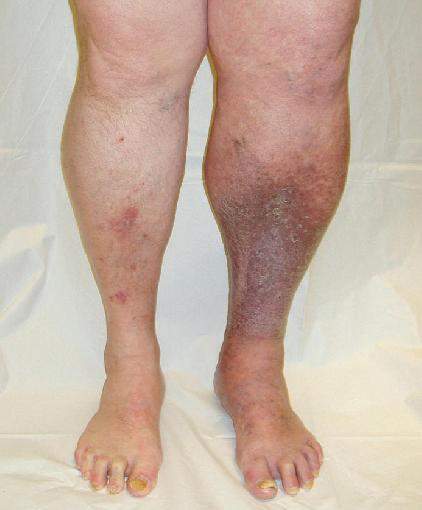
  1. Venous clots. The clots prevent blood not to return to the heart. Most often happening in the arms or legs. Symptoms are:
    • Warmth
    • Swelling
    • Redness
    • Pain
  2. Arterial clots. The clots prevent blood not to get to the affected area. Injured body tissue becomes lack of oxygen and begin to die.
blood clot treatments
Blood clot treatments
The treatments depend on the location of clots, and it can be symptomatic or agressive treatment.
  1. Venous blood clots
    • Warm compresses 
    • Drugs: ibuprofen, acetaminophen
    • Deep vein thrombosis (DVT) needs special treatment called anticoagulation, such as: enoxaparin, warfarin. Patients need hospitalization.
    • Blood clots below the knee have lower risks for emolization to the lung. It may need serial ultrasonography examinations to monitor the clot's growth.
    • If pulmonary emboli occurs, the treatment is similiar to DVT and also need hospitalization to monitor patients' condition.
  2. Arterial blood clots
    • It should be more seriously treated.
    • Surgery is needed to remove the clot
    • Medications: tenecteplase, alteplase (TPA), especially for peripheral arterial disease to restore blood supply.
    • If blood clots occur in the heart, cardiac catheterization is need to relocate blocked artery and a ballon is used to open the occluded area, restore blood circulation, and then a stent (ring) is placed to keep it open. If there is no contraindication, blood clots in brain (stroke) need TPA to restore brain blood flow and prevent more damage.

»»  Read more...

August 27, 2012

Thalassemia How To Test

Thalassemia is an inherited blood disorder in which the body makes an abnormal form of hemoglobin. Hemoglobin is a protein in red blood cells that carries oxygen. This disorders result in increased destruction of red blood cells, which leads to anemia.

thalassemia how to test
Thalassemia Causes
Hemoglobin consists of two proteins: alpha globin and beta globin. Thalassemia occurs when there is a defect in a gene that control production of those globins.
Genetically, thalassemia is classified into two main types:
  1. Alpha thalassemia: when a gene or genes related to the alpha globin protein are missing or mutated.
  2. Beta thalassemia: when similar gene defects influence the production of beta globin protein.
Clinically, thalassemia is classified into:
  1. Major thalassemia: A person with major thalassemia must inherit the defective gene from both parents.
  2. Minor thalassemia: occurs if a person receive the defective gene from only one of his parents, so he becomes a thalassemia carrier. Person with minor thalassemia has minimal symptoms or mostly symptomless.
Risk factor of thalassemia
  1. Certain ethnicity: Chinese, Asian, Mediteranian, and Afro-American.
  2. Family history of thalassemia.
Thalassemia symptoms
  • Alpha thalassemia is the most severe kind of thalassemia. It can cause stillbirth (death of unborn baby, usually during late stages of pregnancy or while delivering)
  • Children born with major thalassemia may be normal at birth, but they will develop anemia in their first year of life.
  • Symptoms of thalassemia-related anemia:
    • Fatigue
    • Growth failure, failure to thrieve
    • Bone deformities in the face
    • Jaundice 
  • People with minor form of beta and alpha thalassemia have no symptoms, but microscopically, it can be identified.
thalassemia how to test
Thalassemia how to test
  • Peripheral blood test (complete blood count) and peripheral blood film
    • Low level of hemoglobin
    • Low level of red blood cells
    • Pale red blood cells
    • Various size and shape of red blood cells.
  • Serum iron test
  • Hemoglobin electrophoresis: to detect abnormal form of hemoglobin molecule.
  • DNA analysis : it is a definitive way to diagnose thalassemia and also thalassemia carrier.
  • Prenatal testing. It can be done before the baby is born. The goals are to rule out thalassemia and to determine how severe the thalassemia is. There are 2 kinds of tests in fetuses:
    • Amniocentesis: it can be done in week 16 of pregnancy by taking sample of fluid that surrounds the fetus.
    • Chorionic villous sampling: it is usually done in week 11. The sample is a tiny piece of placenta.
  • Premarital testing. 
    • If both of bride and groom have minor thalassemia (carriers), they should consult to a doctor before planning a pregnancy. Remember that thalassemia is a preventable disease!
    • Assisted reproductive technology. It helps couples with thalassemia carrier to have a normal baby. This procedure involves retrieving mature eggs from a woman and then fertilizing them with a selected man's sperm in a laboratory. After that, the embryos are tested if there is any gene defect. Only those without defective genes are implanted in the woman.

»»  Read more...

July 31, 2012

Flesh Eating Bacteria Symptoms

flesh eating bacteria symptoms
Flesh eating bacteria, or "necrotizing fasciitis" is a rare infection but can be fatal if not treated properly. It is a kind of bacterial infection that spreads quickly, and cause tissue death at the infection site and beyond.

People can get this disease after being infected by the group A Streptococcus (GAS) bacteria. It is the same bacteria that causes strep throat. The bacteria can enter the body through insect bites, minor surgery, minor cuts, and abrasions. Once the body infected, the infection agressively destroys muscle, skin, and fat tissue.

Here are flesh eating bacteria symptoms.

  • Local skin warmth. The infected skin appears red and hot when touched. The warm areas enlarge as the infection spreads. The skin color can change from red to dusky gray, and it is a sign of skin death. 
  • Pain. Severe pain may be an early symptom of flesh eating bacteria. The pain can worsen prior to the development of an open sore. This pain is caused by nerve damage around the site of injury or wound.
  • Tissue swelling. There is a swelling in the infected area that can progressively advances as the infection continues. The overlying area is shiny and taut. 
  • Skin blisters. Skin blisters may develop on the infected skin. The characteristic of skin blister caused by flesh eating bacteria is crackling and popping sensation when the skin is pressed. It is called "crepitus".
  • Skin ulcer. The ulcer grows as the infection spreads. It contains white fluid with bad odor.
  • Foul odor. It caused by dead skin.
  • High fever.
  • Malaise. People infected by flesh eating bacteria often show the symptoms of generalized weakness.
  • Fainting. It may be caused by low blood pressure as the disease progresses.
Flesh eating bacteria treatment
  • Hospitalized is needed.
  • Intravenous antibiotic therapy.
  • Wound debridement (such as minor surgery to remove dead skin and damaged tissue to help stopping the spread of infection)
  • Symptomatic medications: antipiretics, analgetics.
Please consult your physician to get complete examination and information about this disease.

»»  Read more...

July 28, 2012

The effects of coffee on the kidneys

the effects of coffee on the kidneys
Coffee may be the most popular drink in the world. It contains a substance called caffeine. Caffeine can be naturally found not only in coffee but tea and chocolate. Medical practitioners usually add caffeine into pain relievers, migraine healers, etc. Caffeine is generally harmless but in some people, it has negative effects such as headaches, stomach upset, and jitters. For people with pre-existing kidney problems, coffee can also affect kidney function.

Here are the effects of coffee (or caffeine) on kidney function:

  • Urinate more often. It is caused by diuretics effect of caffeine. 
  • Dehydration. Since coffee has diuretic effects, you have to make sure that your fluid intake is enough to prevent dehydration. Dehydration is harmful for the kidney because it can cause acute injury and promote infection on the kidney and also urinary system.
  • Urinary incontinence. Coffee can increase the risk of urinary incontinence, especially if you drink more than 400 mg of caffeine a day.
  • Kidney stones. Caffeine can increase urinary calcium levels. In a research, it was concluded that there was a moderate increase in the risk of developing kidney stones (especially calcium oxalate stones, the most common type of stones) after a significant caffeine consumption.
  • Kidney disease. In a study, it is concluded that people with polycystic kidney disease were more likely to develop larger cysts if they consume caffeine because caffeine can damage kidney function.

»»  Read more...

July 21, 2012

High Cholesterol Symptoms

high cholesterol symptoms
Our body needs cholesterol but actually the need of cholesterol is already filled without additional food intake, because 80% cholesterol is synthesized in the liver and only 20% must be supplied from food. Unfortunately many people have hypercholesterolemia because of their lifestyle. Normally, reference range of cholesterol level is 160-200 mg/dL, and level more than 240 mg/dL is dangerous because it is a major risk factor for stroke and cardiovascular disease.

There are some high cholesterol symptoms:
  • Pain or stiffness in the back of the head neck
  • This stiffness is also up to shoulder
  • Leg swelling
  • Easy to accomplish
  • Easy sleepy

There are 7 major causes of high cholesterol symptoms :

  1. Daily food
  2. Body weight, especially obesity
  3. Sedentary living
  4. Certain age
  5. Congenital disorder of cholesterol metabolism
  6. Family history of hypercholesterol
  7. Smoking

»»  Read more...

July 7, 2012

How to lower triglyceride level

how to lower triglyceride level
Triglyceride is a blood lipid substance that is stored in the fat cells. Increased triglyceride level is a risk factor for many metabolic disease. That's why, it is important for us to lower and to control our triglyceride level.

Excess calories will be stored in fat cells in the form of triglycerides. The function is to provide energy for body cells, to protect vital organs, and to help absorbing vitamins and minerals. Normal range of triglyceride level is less than 150 mg/dl.

These are some metabolic disease that is influenced by increased triglyceride levels:

  1. Atherosclerosis. It is the basic mechanism of heart attack and stroke.
  2. Diabetes. Increased triglyceride levels will stimulate the release of certain inflammatory cells called "cytokine" in the bloodstream. It will influence the body ability to control blood glucose levels.
  3. Metabolic syndrome, that is formed of cardiovascular disease, diabetes, obesity, and hypertension.
  4. Fatty liver disease. Increased triglyceride level cause excessive fat cells to be stored in the liver so it can promote fatty liver disease.
  5. Xanthoma. Increased triglyceride levels stimulate itch and acne is hands, foot, and buttocks.
How to lower triglyceride level?

  1. Choose the good fat, avoid red meat, butter, and trans fat that are contained in the fast food, such as french fries.
  2. Choose the good carbo, such as wheat, oatmeals, brown rice, and avoid refined fluor such as pasta, bread, and noodles.
  3. Choose the good protein, high omega-3 fat, that are important in controlling excessive triglyceride synthesis, such as salmon, tuna, sarden, and for vegetarians, you can try walnut and almond.
  4. Eat more vegetables and fruits, because they contain fibers that help controlling body weight and lower triglyceride level.
  5. Control your body weight. The more kilograms means the more triglyceride level.
  6. Physical exercise, to help lowering fat levels.
  7. No alcohol. Red wine may be good for health and prevent cardiovascular attack but we have to know exactly about the limit.
»»  Read more...

June 23, 2012

How to prevent migraine headaches

how to prevent migraine headaches
Migraine is a common disorder for many people, approximately affects more than 10 percents of the world population. To prevent migraine headaches, there are some healthy habit you can do. 

One thing you should remember is that the cure of migraine headaches is not permanently working. After few days, sometimes there will be another migraine attacks. It is believed that a healthy diet can prevent migraine headaches naturally. But bad lifestyle and habit can trigger it. 

Here are some ways of how to prevent migraine headaches:
  1. On time eating. Skipping meals for any reason can affect our health. A strict diet is also a contributing factor for migraine attacks. If you think that strict diet will reduce your body fat, this will end up as a suddenly increased blood glucose and trigger migraine attack.
  2. Regular exercise. A healthy body will make a healthy mind. To stay fit and active, do exercise regularly. This will help prevent migraine headaches.
  3. Enough sleep. Too many sleep or lack of sleep will interfere your body rhythm. Ideally, an adult needs 6-7 hours of sleep and not more than 9 hours a day. Maintain your sleep schedule for a better result.
  4. Stop smoking. Smoking and alcohol drinking can increase the risk of migraine attack. If you think that you can cope a migraine by smoking, please rethink. Nicotine doesn't only cause an inflammation in throat and lungs, but also can make you psychically addicted. Alcohol contains tyramine that can trigger migraine. If you excessively consume it, alcohol can cause migraine attacks.


»»  Read more...

June 12, 2012

Why does baby cry when defecating

why does baby cry when defecating
Don't be too worry when your baby is screaming and has a changed facial expression while defecating. It may not be a serious medical problem for your baby. Defecating is a new experience for babies, and it is a normal thing. There are some reasons why does baby cry when defecating.

  1. Body function is not perfect yet. Defecating while lying is difficult because it needs more pressure, so sometimes your baby will scream and cry. Babies can't sit and have to make an extra effort to coordinate abdominal muscles so the feces can be pushed. 
  2. Constipation. If your baby cries while excreting, it may be caused by constipation. Dry feces, and or after few days of no defecation are signs of constipation. To relieve constipation, increase the fluid intake. Add more sugars to his formula milk to soften the feces. If your baby is more than 4 months, you can add fresh juice to his meal. If your baby is already able to take solid meals, add high fiber vegetables such as spinach, peas, pear, and plum. If you have tried all the things and constipation still continues, consult your pediatrician. 
  3. Gassiness. Another reason why does baby cry when defecating is a gas pain. Gassiness is caused by inability to digest any nutrition from breast milk, lactation, or hyper syndrome (when mother has excessive milk production). Formula milk, constipation, and gastrointestinal infection can cause gassiness in your baby. Gassiness after drinking milk will be relieved by burping, gently massage your baby's stomach to release trapped air in his stomach. Give your baby some drops of fennel essence to reduce gassiness.

»»  Read more...