Language Translator

December 8, 2011

Treatment For Bulimia And Anorexia

treatment for bulimia and anorexia
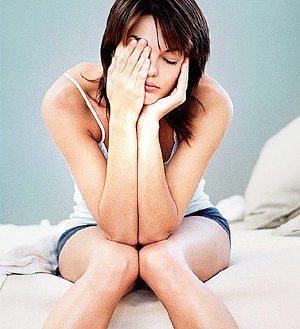
Anorexia and bulimia are the most common eating disorders, especially in adolescence females. As quoted from Online Medical Dictionary, bulimia means episodic binge eating; the episodes may be associated with the fear of not being able to stop eating, depressed mood, or self-deprecating thoughts (binge-eating disorder), may frequently be terminated by self induced vomitting as compensate for the effects of binge eating. This also called bulimia nervosa. While anorexia nervosa is syndrome in which the primary features include excessive fear of becoming fatty/overweight, body image disturbance, significant weight loss, refusal to maintain minimal normal weight, and amenorrhea. This disorder happens most on adolescent women. Both of bulimia and anorexia are not just eating disorders, but mental health problems. They are associated with symptoms of depression and social adaptation failure. 

What is the difference of bulimia and anorexia?
Anorexia is different from bulimia in the binging vomiting and purging cycle. Bulimia patients usually have normal weight, while anorexia patients usually underweight. Overall, bulimia is a more serious condition than anorexia.

Symptoms and Sign
There are three major symptoms of bulimia:
  • Eating large amounts of food and then feeling control-loss of it
  • Followed by inappropriate compensatory behaviors like: using laxative, fasting, self induced vomiting, obsessive compulsive physical exercises
  • Extreme care about body shape and body weight
According to Mayo Clinic, anorexia nervosa shows extreme underweight-related symptoms, such as: thin appearance, abnormal blood counts (anemia, etc), fatigue, insomnia, dizziness, absence of menstruation, constipation, dry skin, dehidration, osteoporosis, etc. Emotional characteristics related to anorexia include: refusal to eat, denial of hunger, excessive exercise, flat emotion, irritability, depression, abnormal use of herbal diet products, reduced sexual desire, etc.

Chronic bulimia and anorexia will lead to some health disturbances, such as:
  • Electrolyte (sodium and potassium) imbalance, because of purging behaviors. Extreme electrolyte imbalance may possible cause heart failure and death. 
  • Frequent stimuli of vomiting may cause inflammation and rupture of the esophagus.
  • Excessive eating can cause gastric rupture.
  • Bowel disturbances and constipation caused by inappropriate use of laxatives.
Treatment for bulimia and anorexia is a long term treatment. Initial assessment should be done properly and as early as possible, consists of how severe the problems are, and if there are medical conditions that need special hospital management, such as: severely malnourished.. Outpatient treatments for bulimia and anorexia are described below.
  • Cognitive behavioral therapy (CBT).  Main purposes of CBT are training you how to eat healthy diets properly and regularly, reduce your worry or concerns about body weight, control emotions and desire to binge eating, develop skills to prevent future relapse.
  • Nutritional therapy, involves dietician or nutritionist. They will teach about meal plan to reach and maintain a normal and healthy body weight 
  • Pharmacological therapy, especially antidepressants such as Prozac. The goals are relieving symptoms of depression and also reducing binge eating cycles . 

»»  Read more...

December 7, 2011

Treatment Of Acute Myocardial Infarction

treatment of acute myocardial infarction
By definition, acute myocardial infarction refers to a destruction process of heart tissue due to inadequate blood supply that causes lack of coronary blood flow. Acute myocardial infarction can be described as myocardial necrosis (tissue death) due to interrupted blood flow to the heart muscle.

Causes of acute myocardial infarction
Many factors lead to acute myocardial infarction:
  • Decreased blood supply to heart tissue that disturbs oxygenation process: atherosclerosis, arterial spasm, arteritis, aortic stenosis, cardiac insufficiency, anemia, and hypoxemia.
  • Increased cardiac output: unstable emotions, excessive activity, hyperthyroidism)
  • Increasing of myocardial oxygen demand: myocardial damage, myocardial hypertrophy, diastolic hypertension
  • Inflammatory vascular disease: emboli, endocarditis, artificial valves
  • Severe coronary spasm: after cocaine using
  • Increased blood viscosity
  • Significantly increasing on oxygen demand at rest
Sign and Symptoms of acute myocardial infarction
  1. Chest pain: suddenly, very painful like punctured-pin in left chest area, spread to shoulders, and continue down towards the left arm and neck, sternal region, and abdomen. The pain occurs more persistent and intensive than angina, more than 30 minutes, accompanied by increased heart beat, nausea and vomiting
  2. Laboratory findings: increased CKMB, CK, lactat dehidrogenase, troponin, SGOT, SGPT
  3. ECG findings
Treatment of acute myocardial infarction
According to European Society of Cardiology, there is a guideline in treatment of acute myocardial infarction:
  • Relief of pain, breathlessness, and anxiety
    • Morphine intravenously
    • Oxygen 2-4 L/m, if there is breathlessness or other signs of heart failure
    • Transquilizer, for very anxious patients
    • Atropine, if there are hypotension and bradycardia
  • Restoring coronary flow and myocardial tissue reperfusion
    • Primary PCI (Percutaneous Coronary Intervention)
    • Antiplatelet co-therapy: aspirin, NSAIDs/COX-2 selective inhibitors, Clopidogrel loading dose
    • Antithrombin therapy: heparin, foundaparinux
    • Adjunctive devices: thrombus aspiration
  • Fibrinolytics therapy, if there is no contraindications
    • Enoxaparin
    • Streptokinase
  • Rescue PCI, if fibrinolytics that performed after 12 hours is failed in patients with large infarcts
»»  Read more...

December 6, 2011

Essential Tremor Treatment

essential tremor treatment
What is Essential Tremor?
There are so many types of movement disorder, the most common tremor is essential tremor. It is a syndrome that usually affect both upper extremities, characterized bu a slowly progressive postural and/or kinetic tremor. Essential tumor manifests as involuntary shaking movement which the patients shake without trying to do so. The exact cause of essential tremor until now cannot be identified. It mostly occurs at people older than age 65. Some researchers suggest that there is a part of the brain that controls muscle movements that doesn't work properly. Genes play a role in essential tremor; some cases show that essential tremor occurs in more than one member of a family. It is inherited, with dominant trait.

Essential tremor can affect:
  • The head
  • The vocal cord, making the voice sounds shaky
  • The limbs, causing tremor in hands and arms (this is the most common)
So what is the difference between essential tremor and Parkinson's tremor? Principally, essential tremor happens when muscles are used. Essential tremor will not present when the limbs are relaxed or at rest.

ESSENTIAL TREMOR TREATMENT
The goal of essential tremor treatment is to improve quality of life. The choice of treatment depends on the severity of essential tremor and side effects of each treatment.
  • Pharmacological. 
    • Propanolol, a beta blocker. Side effects of propanolol are worsening the asthma, slowering heart beat, causing fatigue, stuffy nose, etc.
    • Primidone, an antiseizure. Side effects of primidone are nausea, drowsiness, balance and coordinating problems.
    • Alprazolam, an antianxiety. It is used to slow down the nervous system.
  • Surgical. It will be chosen if the tremor gets severe and drugs cannot relieve it. There are two types of surgical intervention in essential tremor treatment:
    • Deep Brain Stimulation (DBS). This procedure can also be done in certain neurology centre. DBS is effective to treat people with hard-to-manage limb tremor. It has fewer side effects than thalamotomy. 
    • Thalamotomy. This procedure is typically done in one side of the brain only. It is effective for limb tremor that is no respond to drugs. Thalamotomy in both sides of the brain is not recommended because of high risk of irreversible side effects. 
Essential Tremor Treatment; A Summary.
Not every treatments give the same effect to all the patients. Please contact your neurologist so he will advice you an individual treatment plan. Your underlying medical conditions also play an important role for selecting the best treatment.  

»»  Read more...

December 5, 2011

How To Improve Good Cholesterol Levels

how to improve good cholesterol levels
Good cholesterol here refers to high density lipoproteins, or known as HDLs. HDL is one of the major cholesterol carriers in the blood. It is a biosubstance produced by the liver to bring cholesterol and other fats from perifer tissues  back to the liver for further metabolism or degradation. The importance about how to improve good cholesterol levels is to lower the incidence of heart attack or heart disease, and other atherosclerosis-related disease, such as stroke. HDL has anti-inflammatory and antioxidant properties, so it has protective effects from cardiovascular disease. Recent study also shown that high level of HDL has a neuroprotective effect to prevent dementia and Alzheimer's disease. The normal range of HDLs is between 40-60 mg/dl.

How to improve good cholesterol levels?
The higher you HDL level, the better health you have. Here some ways to improve good cholesterol level:
  • Pharmacological
    • Statins (simvastatin, atorvastatin, rosuvastatin). They are the most common anticholesterol drugs prescribed by doctors.
    • Niacin, or nicotinic acid, known as vitamine B3. It also lowers bad cholesterol but not as effective as statins.
    • Fibrates (fenofibrate, gemfibrozil). The most action of these drugs is lowering tryglyceride levels.
    • Absorption inhibitors. There is only a mild elevation of good cholesterol by these drugs.
  • Lifestyle modifications
    • Physical exercise. Just 30 minutes of speed walking or aerobic exercise at least 4-5 times a week is enough to improve 
    • Quitting smoking and even becoming a passive smoker. Once you stop smoking, your HDL level will elevate shortly. 
    • Lose weight. Reduce your weight until you have a BMI index under 25.
    • Healthy diet. Add more fiber, vegetables and fruit to your diet. Choose the better fat or monounsaturated fat, like olive oil, flaxseed, canola oil, etc. Avoid trans fat and saturated fat in junk food and fast food. Eat more cakes, cereals, and breads that are high-glycemic foods. More omega-3 acid like salmon and mackerel are positive for you good cholesterol levels.
    • Mild alcohol consumption, such as once a day for women and twice for men can raise HDL level. But if you have underlying liver disease, please avoid.


»»  Read more...

December 4, 2011

Side Effects Of Viagra And Cialis

side effects of viagra and cialis
What is Viagra and Cialis?
Viagra and Cialis are drugs of choice for erectile dysfunction and pulmonary arterial hypertension treatment. It was first available on the market at 1998.

The content of Viagra is sildenafil citrate, manufactured by Pfizer. According to MIMS.com, the recommended dose for most patients is 50 mg taken as needed, 1 hour before sexual intercourse. However, Viagra may be taken anytime from 4 hours until 0.5 hour before sexual activity. Based on its effectiveness, eficacy, and tolerance, dose of Viagra may be increased to a maximum dose of 100 mg, once per day, or decreased until 25 mg, once per day.  In patients with renal and liver impairment, the plasma level becomes higher, so the starting dose must be reduced to 25 mg. Based on the pharmacokinetic data, it is recommended not to exceed a minimum single dose of 25 mg in 48 hours period. It can be taken with or without food.

Here are some contraindications of Viagra:
  • Newborn, children, women
  • Patients with a known allergy to Viagra's component
  • The use of nitrates after taking Viagra must be careful, but it is better not to administer both of them together.
Side effects of Viagra:
  • Flushing
  • Headache
  • Dizziness
  • Abdominal discomfort (dyspepsia)
  • Diarrhea
  • Urinary tract infection
  • Nasal congestion
  • Abnormal vision
  • Rash
Special precautions must be considered at this conditions:
  • Men with cardiovascular inadequacy and because of that, sexual activity is not recommended (post myocardial infarction, stroke, arrhytmia)
  • Congestive heart disease
  • Coronary heart disease and angina
  • Resting hypotension (under 90/50) and severe hypertension (more than 170/100)
Cialis was first available on the market at 2003 in United States, discovered by GlaxoSmithKline and in 2007 was owned by Eli Lilly. The difference of Viagra and Cialis is that Cialis has a longer duration of action. The dose of Cialis is 10 mg taken with or without food, 30 minutes before sexual activity. Contraindications of Cialis are:
  • Women or people under 18 years old
  • Patients with any cardiovascular disease
Side effects of Cialis are nearly similar to side effects of Viagra, such as:
  • Abdominal discomfort
  • Headache, dizziness
  • Flushing
  • Nasal congestion, runny nose
  • Back pain and muscle pain
  • Swelling of palpebra (eyelid), eye pain, and conjunctival hyperaemia (very rare)

»»  Read more...

December 3, 2011

Diet Soda And Stroke Risk

diet soda and stroke risk
A recent study has concluded that diet soda causes increasing in heart disease, stroke risk, diabetes, and other metabolic syndromes. As quoted from Glamour, a study presented in American Stroke Association in London concluded that people who consume a diet soda have risk of stroke attack and died from it.

The research was carried out for 9 years with more than 2,500 subjects. It has shown that 48 percent of subjects who drink diet soda everyday can easily have  heart attack, stroke, and end up as death. This group was compared with subjects who were rarely and didn't consume diet soda. 

Therefore we can conclude that diet soda is an alternative to regular soda, but it is not health so you should limit the diet soda consumption. Consuming diet soda is just like replacing the calories from sugar to chemicals which their goodness is still questionable.

»»  Read more...

Erectile Dysfunction In Young Men

erectile dysfunction in young men
Erectile dysfunction, or sometimes many people referred it as impotence, is a men's condition that is unable to achieve an erection, or maintain an erection for a long period of time to finish the sexual intercourse. 

Most people think that impotence or erectile dysfunction is a condition that occurs older men. In fact, erectile dysfunction can affect young men and any man that has already reached sexual maturity. There is no specific number about how many young men that are affected by erectile dysfunction. It is due to the fact that young people who get erectile dysfunction problems are less likely to talk to others about their problem. 

Many risk factors play an important role on erectile dysfunction in young men. The most likely is anxiety (it is natural), and fear of becoming pregnancy, fear of being caught, having bad sex experiences, and fear of STDs (sexually transmitted disease). Besides that, bad lifestyle also contributes in erectile dysfunction such as alcohol consumption, heavy smoking, and obesity. But when erectile dysfunction continues happening, it is very important to seek for professional and have medical check up if there is any underlying disease that may become the cause of erectile dysfunction in young men.

Treatment of Erectile Dysfunction in Young Men
There are some suggested steps:
  • Meet the professionals to have a complete medical examination. 
  • Take the drugs prescribed by doctors (please understand the side effects!)
  • Take natural/herbal aphrodisiacs to arouse sexual desire.
  • Meet the psychologist if you have any psychological problems.

»»  Read more...

December 2, 2011

Vaginal Yeast Infection Treatment

vaginal yeast infection treatment
Vaginal yeast infection is the most common problem in women. The symptoms are itching, burning, irritation, redness, and white or yellowish vaginal discharge with strong odor. Predominantly, vaginal yeast infection occurs in childbearing age women. There are some conditions that provide a chance for vaginal yeast infection, such as broad spectrum antibiotics, poor nutritional status, over consumption of sugar, contraceptive pills, hormonal shifta and immunocompromised problems.

Vaginal Yeast Infection Treatment
There are some treatment choices that can be used in first aid vaginal yeast infection treatment :
  • Boric acid. This remedy has antiseptic and antifungal properties. It is used as vaginal suppositoria. The side effects are vaginal burning and skin allergy/irritation.
  • Essential tea tree oil. This is a natural remedy, used by diluting and applying topically to the vulvovaginal area.
  • Antifungal drugs
    • Antifungal tablet. Mostly used is fluconazole (Canesten, Diflucan). Antifungal tablet can be very effective, usually one tablet as single dose is enough to cure vaginal yeast infection. Side effects include nausea, vomiting, diarrhea, bloating, and constipation. Pregnancy and breastfeeding are contraindications for this treatment.
    • Pessaries. Intravaginal pessaries do not have systemic effects, can cause local irritation. Examples for intravaginal pessaries are clotrimazole (Canesten), econazole (Ecostatin), and miconazole (Gyno-Dactarin). Pregnancy is also contraindication because it will cause cervical injury.
    • Creams. Creams are additional therapy to tablet and pessaries to cure redness and soreness around vagina, vulva, or perineum.
Vaginal Yeast Infection Treatment Failure
The failure of vaginal yeast infection treatment can occur due to: patient's poor compliance, longer use of oral and topical drugs, double infection with bacteria, or there are underlying diseases that worsen the infection.

Vaginal Yeast Infection Treatment at Pregnancy
Drugs of choice are: tropical clotrimazole, miconazole, and econazole. Avoid to use nystatin because it is less effective.

»»  Read more...

December 1, 2011

Vaginal Yeast Infection Symptoms

vaginal yeast infection symptoms
Vaginal Yeast Infection is usually caused by a yeast or fungus called Candida albicans. This yeast is normally found vulva and vaginal area as flora normal. Statistically, it is estimated that three of four women (75%) will have vaginal yeast infection at least once in their lifetime.

There are risk factors that contribute to vaginal yeast infection such as: diabetes mellitus, pregnancy, oral contraceptive using, prolonged broad spectrum antibiotics using, and chronic use of corticosteroid. Vaginal yeast infection is commonly found in after menopausal women, because of decreasing estrogen levels within the vaginal wall.

Vaginal Yeast Infection Symptoms
  • White vaginal discharge (it is the most common symptom). The texture is similar with cottage cheese.
  • Dyspareunia (pain on sexual intercourse)
  • Pain on urinating
  • Red and swollen area around vagina and vulva
Vagina yeast infection is basically not a emergency condition. But in people who have low immunity status (HIV, prolonged corticosteroid user, pregnancy), it will be possible fot the infection to spread into the blood stream and cause systemic yeast infection, a potentially life-threatening problem. The vaginal yeast infection symptoms that may be life-threatening are:
  • High fever (more than 38 celcius degree)
  • Severe pelvic pain or abdominal pain
  • Bleeding while pregnant
  • Chest pain
  • Respiratory problems: shortness of breath (dyspnea), wheezing, etc
  • Nausea and vomitus
»»  Read more...

Impotence Erectile Dysfunction

Impotence Erectile Dysfunction
Impotence and Erectile Dysfunction
There are many disorders that happens in male sexuality. Impotence and erectile dysfunction become a great concern. Erectile dysfunction is a condition when a man is unable to ensure sufficient stiffness of the penis for satisfactory sexual intercourse; or erection do not reach long enough to be maintaned. This condition used to be called as impotence.
But actually, there are two different understandings that are sometimes used as synonyms, they are: impotence and sterility. Impotence is a very general term , but refers to inability to have sexual intercourse. In the other hand, sterility means the inability of a man to reproduce, also known as impotence, with erectile function is not restricted in the rule. 

Erectile dysfunction can be temporarily/occasionally, until permanently loss of erectile function. In medical terms, erectile dysfunction means when a man can achieve within  months from about 70% of the experiments a sufficient erection.
There is a wrong myth that impotence erectile dysfunction is a part of aging. It is true, actually, as a man get older, he may need more stimulation to get an erection; he also need more time between erections. But older man basically must still be able to get an erection and have a good sex.

Impotence & Erectile Dysfunction Causes
Here are many causes of impotence erectile dysfunction:
  • Hypertension, and its prescription drugs
  • Diabetes mellitus
  • Depression, phychological stress, anxiety, and its prescription drugs
  • Chronic alcoholism
  • Heavy smoking
  • Neurologic disorder: multiple sclerosis, brain tumor, spinal cord injury, Parkinson's disease, stroke
  • Complications after prostate and bladder surgery
Impotence & Erectile Dysfunction Treatment
Basically, the treatment for erectile dysfunction depends on what causes it and underlying diseases/ factors. Drug of choice for erectile dysfunction is Sildenafil (brand name: Viagra), tadalfil, and vardenafil. They are taken orally to help maintain an erection. These drugs also have some contraindications, so not everyone can use it. Your doctor may also give you alprostadil if oral medicines above aren't suitable for you. Alprostadil is a prostaglandin E's synthetic drugs.  It is given via injection into the penis or inserted into the urethra. Other choices are vacuum pump devices, a penile implant, or surgery. For surgery, you better contact an urologist. Which treatment is the best for you? Please consult your doctor.


»»  Read more...